
Ignoring a small drip today can lead to thousands of dollars in structural damage, dangerous mould growth, and risks to your family’s safety tomorrow. This guide from The Sydney Roof Doctor explains exactly why your roof leaks during heavy rain. It also gives you a simple post-storm inspection checklist and helps you figure out when to call for professional roof leak repair Sydney services.
Why Your Roof Leaks Only During Heavy Rain: How It Works
Many homeowners think that water enters the house directly above the ceiling stain. In reality, water is tricky. It gets in through a gap or crack on the outside of your roof and runs down timber beams, foil insulation, or structural supports. It can travel several metres sideways before it finally drips onto your ceiling plaster.
But why does this only happen when it pours? During a heavy storm, your roof has to handle massive amounts of water. When the drainage system cannot keep up, the water backs up, rises above the overlapping edges of your roofing materials, and floods into your home.
The most common causes of leaks during heavy rain include:
1. Damaged or Blocked Roof Valleys
Your roof valleys are the metal channels where two sloping sections of your roof meet. They act as the main highways for rainwater. Over time, leaves and twigs from nearby trees build up in these channels. During light rain, water can flow around the dirt. But during heavy rain, the leaves act like a dam. The water backs up, spills over the sides of the metal channel, and pours into your ceiling, meaning you need a roof valley replacement right away.
2. Flashing Failures Around Skylights and Chimneys
Flashing is the protective sheet metal installed around things that poke out of your roof, like skylights or chimneys, to make them waterproof. When heavy rain comes with strong winds, the water hits your roof sideways. If your flashing is cracked, rusted, or loose, the wind forces the water right underneath it. This is why homeowners often need specialized leaking skylight repairs after a big coastal storm.
3. Blocked Gutters and Downpipes
When your gutters are full of mud and leaves, they cannot carry heavy water away fast enough. The water fills up the gutters, flows backward over the edge, and floods into your eaves and inside walls. Keeping up with regular gutter cleaning Sydney or commercial gutter cleaning Sydney is your best way to stop this from happening.
4. Cracked Roof Bedding and Pointing
Tile roofs use cement bedding and a flexible sealing glue called pointing to lock the top ridge tiles in place. Over the years, Sydney’s hot sun and changing weather cause this mortar to crack and crumble. During a heavy storm, rainwater gets into these cracks and soaks the wooden structures underneath.
5 Critical Post-Storm Signs You Should Never Ignore
Once the storm stops and it is safe to go outside, you should do a quick visual check. Walk around your house and look for these five warning signs that show you need help from roofing repairs Sydney experts immediately.
1. Water Stains and Bubbling Plaster on the Ceiling
Look for yellow or brown rings on your ceiling or down your inside walls. If the ceiling feels soft, spongy, or looks like it is bubbling, water is pooling on the other side of the plaster.
2. Cracked, Broken, or Missing Roof Tiles
Look up at your roof from the ground. Scan the roofline for any tiles that look crooked, cracked, or are missing completely. A single broken tile leaves a wide-open gap for the next storm to exploit.
3. Rusted, Sagging, or Overflowing Gutters
If you see water marks on the bottom of your gutters, or if they are sagging from the weight of trapped water and leaves, your drainage system is failing. Regular Sydney gutter cleaning keeps your gutters clear and working.
4. Broken Seals Around Skylights
If you have skylights, check inside the house around the window frame. Look for active dripping, fog or condensation trapped between the glass panes, or water marks on the drywall. Getting skylight repairs Sydney early prevents the surrounding wood from rotting.
5. Pieces of Mortar in Your Gutters or Garden
If you find chunks of dried grey cement on your lawn or in your gutters, the tops of your roof ridges are falling apart. This means your roof needs urgent roof pointing repair and re-bedding to lock the tiles down before the next windstorm.
Step-by-Step Action Plan: What to Do When You Spot a Leak
When a leak starts, panicking can lead to costly mistakes. Follow these simple steps to protect your home and family.
- Step 1: Protect your items. Move furniture, electronics, and clothes away from the drip. Put a sturdy bucket or plastic tub under the leak. To stop loud splashing and spraying, put an old towel in the bottom of the bucket.
- Step 2: Take photos for insurance. Before you clean anything up, grab your phone. Take clear photos and videos of the active drip, the wet ceiling, and any damaged items. You will need these if you make an insurance claim later.
- Step 3: Check your roof space safely. If you have a safe crawl space and feel comfortable checking it, look inside your roof during the day. Look for wet insulation or damp timber beams. Never step off the strong wooden beams onto the plaster ceiling.
- Step 4: Clear easy blockages from the ground. If you can safely see that the bottom of a downpipe is blocked by leaves within easy reach from the ground, clear it to let the water out. Never climb onto a wet, slippery roof.
- Step 5: Call a licensed roofer. Contact a professional team that provides roof repairs Sydney wide. They have the right safety gear, tools, and licenses to find the leak and fix it properly.
Repair vs. Replacement: What Does Your Roof Need?
Many homeowners worry that a leak means they need a whole new roof. Luckily, that is rarely true. Use this simple table to see what your roof likely needs.
| Scenario / Symptom | Minor Roof Repair | Major Roof Restoration / Replacement |
| Age of the Roof | Under 15–20 years old. | Over 30 years old; materials are worn out from old age. |
| Where it Leaks | Only in one specific spot (like around a skylight or one broken tile). | Multiple leaks in different rooms every time it rains. |
| Condition of the Mortar | Small hairline cracks in just a few areas. | Cement is completely missing; ridge tiles are loose and sliding off. |
| Condition of the Wood | The timber underneath is dry, hard, and solid. | Timber is sagging, rotting, or covered in black mould. |
| What You Need to Do | Localized roof leak repairs Sydney service. | Full roof re-tiling, valley replacement, or a brand-new roof. |
Honest Cost Factors: What Drives Roof Repair Prices in Sydney?
No two roof leaks are exactly the same, so prices change depending on your home. When you ask for a quote for roof repairs North Shore or across Sydney, the price is based on a few main things:
- How hard it is to get to the leak: Two-storey homes or very steep roofs require special safety scaffolding and harness gear, which adds to the labor cost.
- The materials needed: Replacing a few cracked concrete tiles is very cheap. Replacing long runs of rusted metal valleys (roof valley replacement) or ordering special seals for skylight repairs near you costs more.
- Hidden damage: If a leak has been ignored for months, the price might go up because the roofer has to replace rotted wooden beams or ruined insulation.
- Urgency: Asking for a roofer to come out in the middle of a major storm on the weekend to put emergency tarps on your roof will cost more than booking a normal, planned inspection.
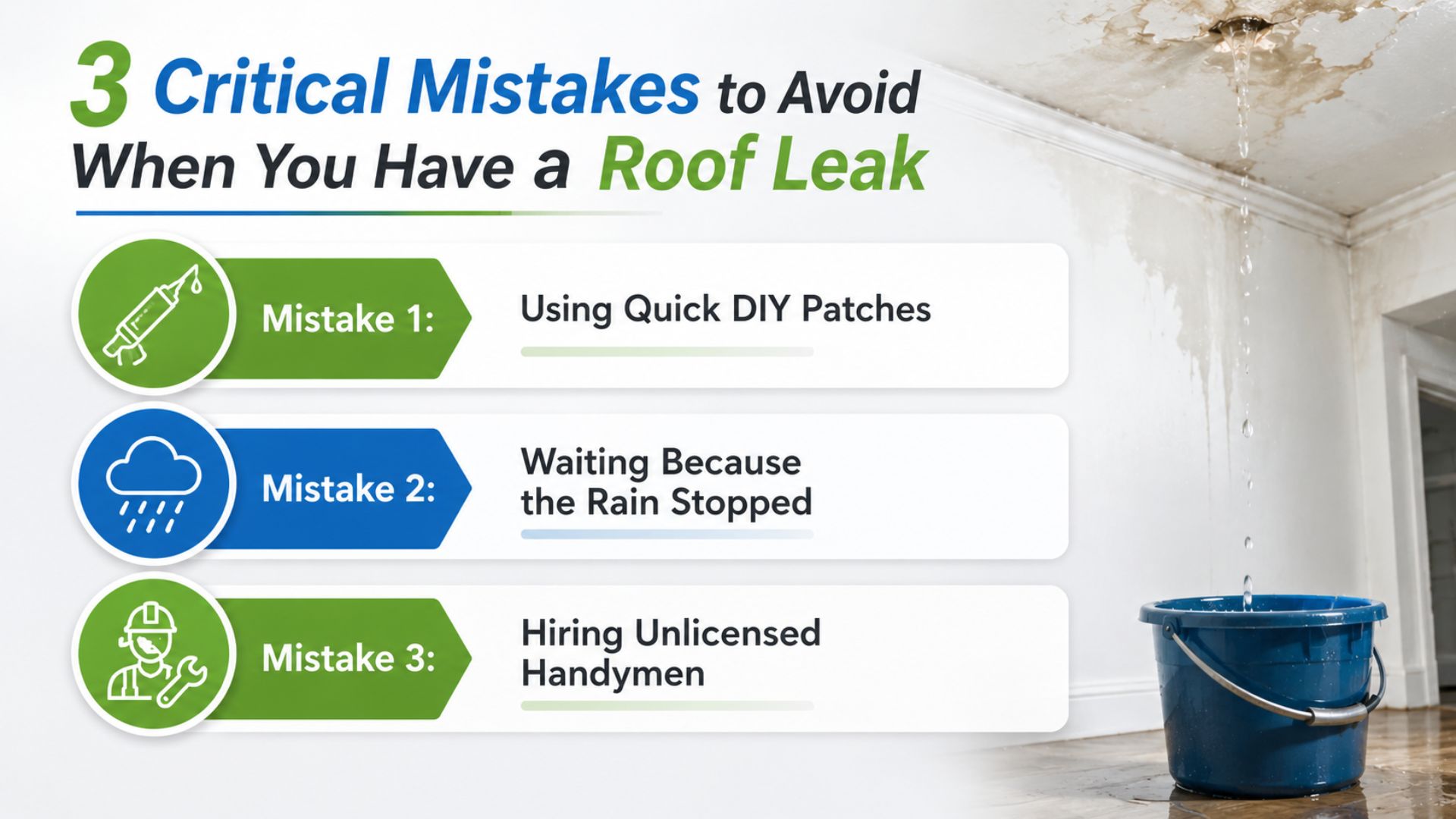
3 Critical Mistakes to Avoid When You Have a Roof Leak
Mistake 1: Using Quick DIY Patches
Silicone spray or sealant is fine for a temporary fix, but putting it over a cracked tile or rusted flashing will cause long-term trouble. Silicone breaks down quickly in the hot Australian sun. It traps water underneath, which makes metal rust faster and wood rot out of sight.
Mistake 2: Waiting Because the Rain Stopped
When the sun comes back out in Sydney, it is easy to forget about the leak. But the damage is still there. Every time it rains lightly, the wooden frame drinks up water. By the time the next heavy storm hits, the weakened wood can snap or collapse.
Mistake 3: Hiring Unlicensed Handymen
Roofing is highly skilled and dangerous work. Hiring a cheap, uninsured handyman who does not have roofing licenses can void your home insurance. If they get hurt on your property, or if their work causes worse flooding later, you will have to pay for it. Always make sure your contractor specializes in leaking roof repairs near me and has full insurance.
Why Quick Repairs Matter: Protecting Your Home’s Value
Your roof is the most important shield protecting your house. Fixing problems early gives you massive long-term benefits:
Big Savings: Spending a bit of money on preventative repointing roof tiles or gutter care saves you from a massive $15,000 bill to replace ruined internal plaster and structural timber down the road.
- Family Health: Constant leaks create a dark, damp space where dangerous black mould grows inside your ceiling. This mould can cause breathing problems and asthma for children and pets.
- Lower Energy Bills: A dry roof space means your home insulation works the way it should. If you want to keep your home cooler, combining your leak repair with a whirly birds installation helps push hot air and dampness out of your roof. Having whirly birds fitted helps your roofing materials last much longer by keeping the wooden supports completely dry all year.
Complete Resource Guide
To learn more about your specific roof issues, read our detailed guides written just for Sydney homeowners:
Easy Roof Inspection Guides
- Use our preventative check guide: Sydney Roof Leak Repair Checklist
- Find hidden problem spots: Top 7 Common Causes of Roof Leaks in Sydney Homes
- Handle a sudden water leak step-by-step: Emergency Roof Leak Repairs: Homeowner Emergency Guide
Roof Valley & Storm Prep
- Get your roof ready before the storm season hits: Is Your Roof Ready for the Next Sydney Storm?
- Learn how to look after your new drainage valleys: Roof Valley Replacement: Crucial Post-Installation Maintenance
- See how new drainage parts protect your property: How Roof Valley Replacement Prevents Lasting Structural Damage
Skylight Repair & Waterproofing
- Understand your repair options clearly: The Homeowner’s Guide to Leaking Skylight Repairs: Fix, Seal, or Replace
- Find out the truth about window seals: The Truth About Skylight Repairs: Common Myths Debunked
Professional Gutter Care
- Keep water away from your home’s foundations: Why Sydney Gutter Cleaning Is Your Roof’s Best Defense
- See exactly what happens during a professional clean: The Ultimate Guide to Professional Gutter Cleaning in Sydney
Ventilation & Moisture Control
- See the facts on how to cool your house down: The Ultimate Sydney Roof Ventilation Guide: Do Whirly Birds Actually Cool Your Home?
- Learn how to avoid roof damage during install: Whirly Bird Installation: Avoid These 5 Costly Structural Mistakes
Conclusion: Act Before the Next Big Storm
A leaking roof will not fix itself. When the storm passes and the sun comes back out, the stains on your ceiling might dry up, but the broken tiles, blocked valleys, and structural damage are still there under your roof.
Do not wait for the next heavy Sydney storm to flood your home. Taking action today keeps your house, your things, and your family completely safe, warm, and dry.
If you think your roof has an issue, or if you want an honest check on a current leak, call the local team at The Sydney Roof Doctor. Our experienced, fully licensed team specializes in top-quality roof leak repair Sydney services that stand up to the toughest weather. Call us today to book your professional roof check.