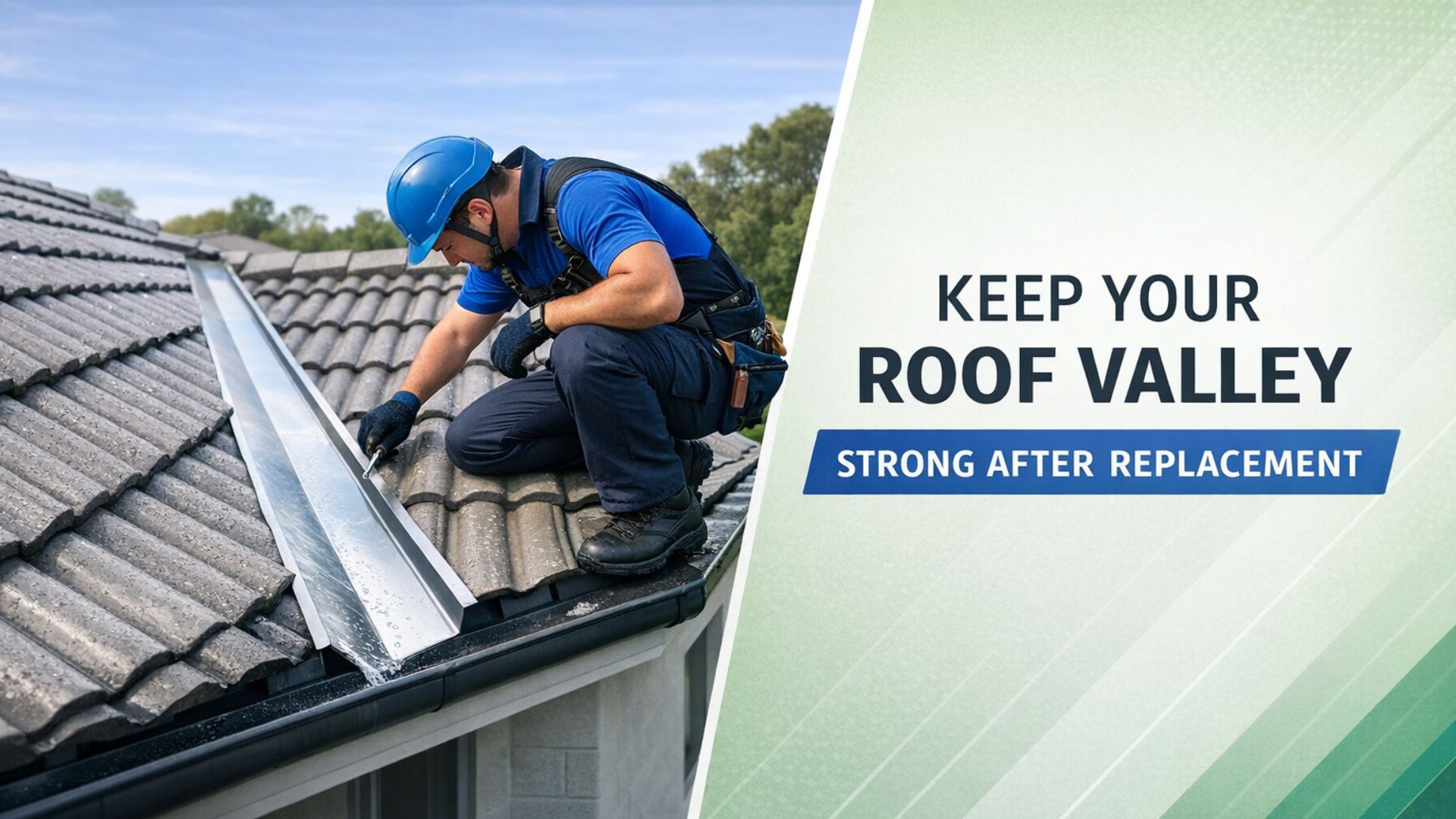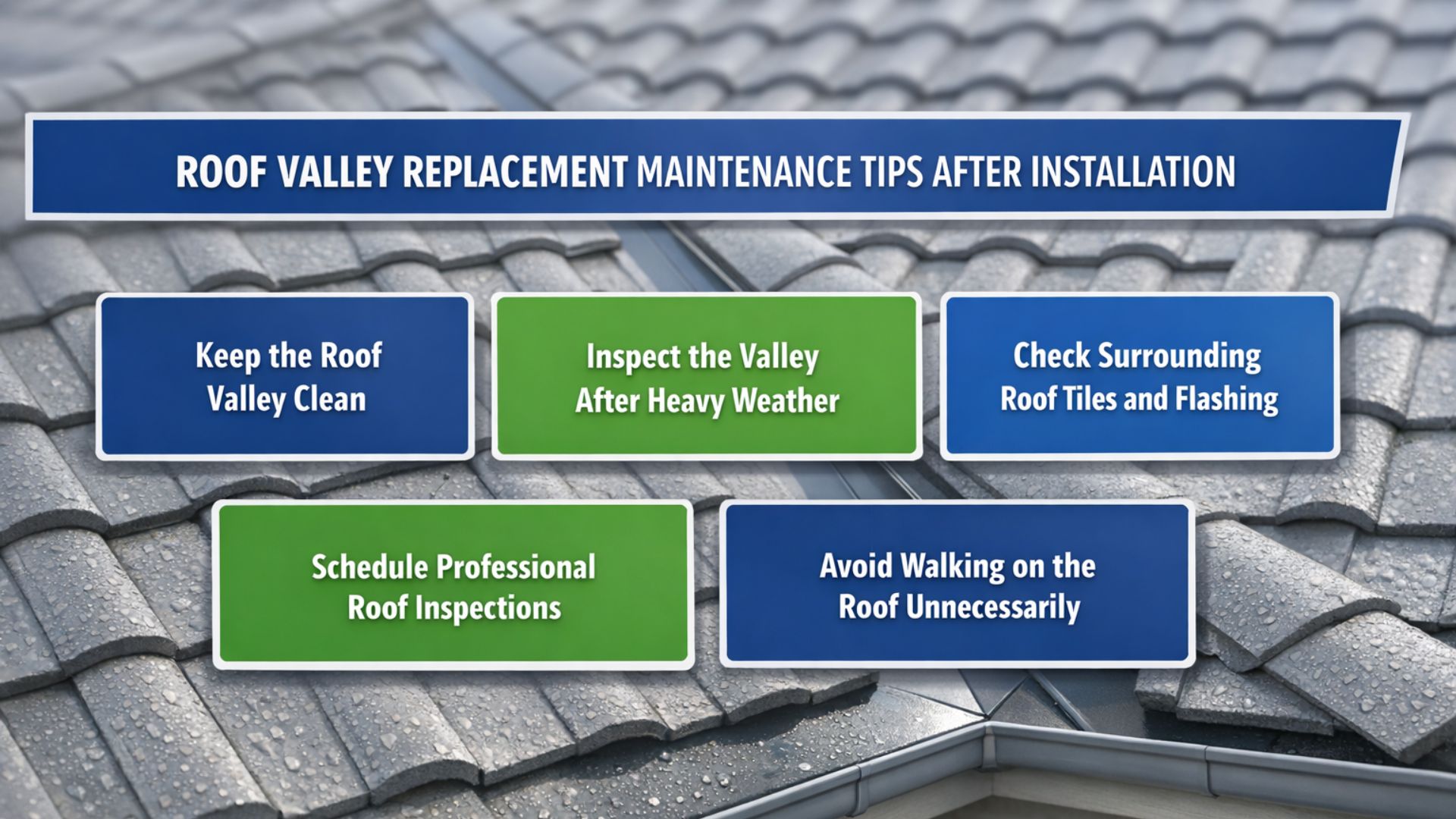
Noticed a small roof leak after heavy rain? Or seen rust around your gutters if you live near the coast?
Many Sydney homeowners think these are only small problems. But they are often the first signs that your roof needs attention.
If you live in places like Bondi, Coogee, Manly, Cronulla or the Northern Beaches, your roof faces some of the toughest weather conditions in Australia. Salt in the sea air, strong sunshine, humidity and heavy storms all work together to wear your roof down faster than you might expect.
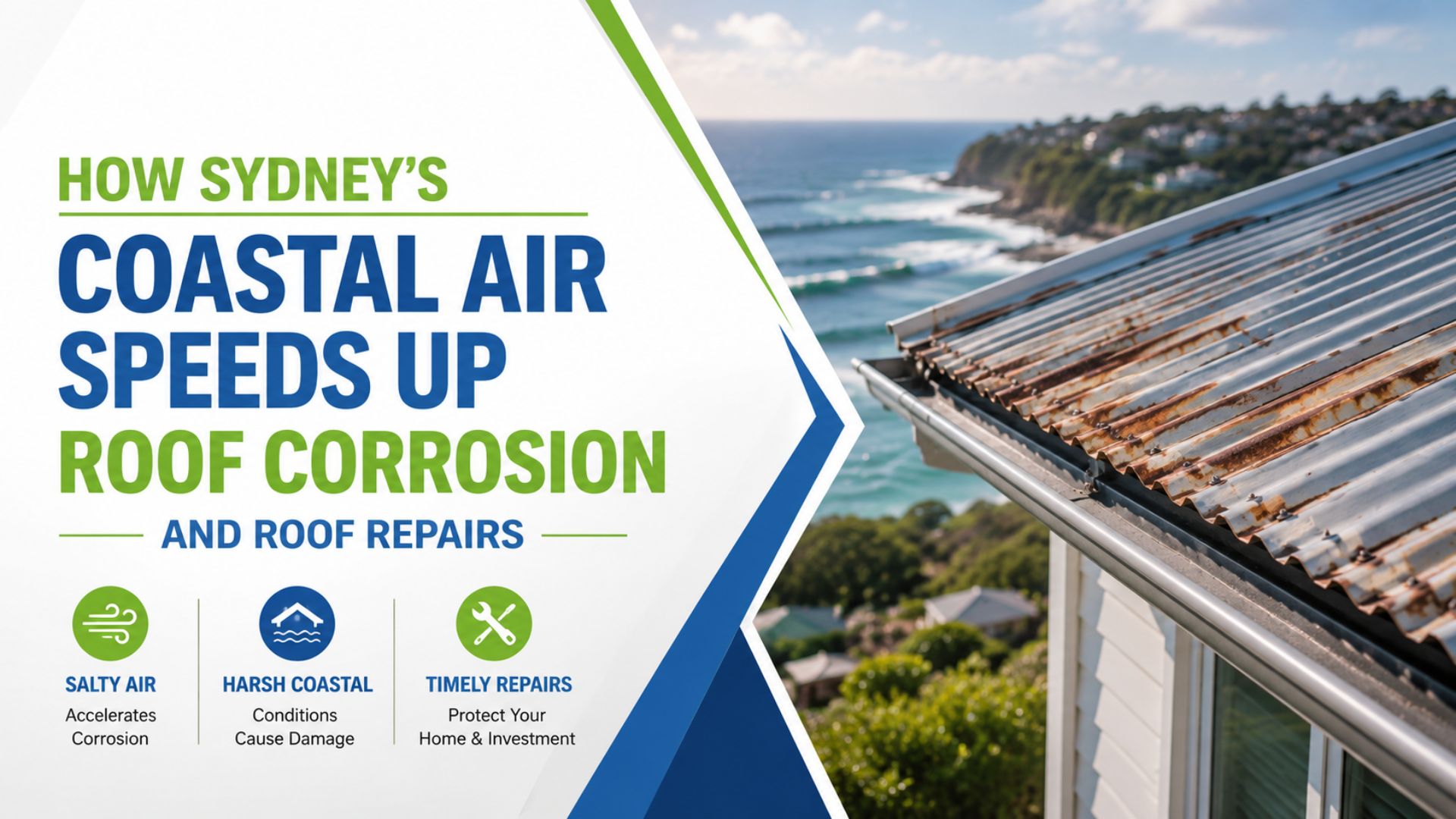
Salt from the ocean settles on roofing materials. When it mixes with rain, dew or moisture in the air, it starts to cause corrosion. Over time, this can damage roof flashings, screws, gutters and other important parts of your roof.
In this guide, we’ll explain how coastal air affects your roof, the warning signs to look for, and when it’s time to call professional roof repairs Sydney specialists before small issues turn into expensive repairs.
Why Sydney’s Coastal Climate Causes Faster Roof Damage
Homes near the coast are always exposed to salt carried by the wind.
These tiny salt particles settle on:
- Roof sheets
- Ridge capping
- Roof pointing
- Flashings
- Gutters
- Roof screws and fasteners
- Roof valleys
When salt mixes with rain, morning dew or humid air, corrosion begins.
Even if you don’t live right on the beach, sea breezes can carry salt several kilometres inland. Coastal homes also deal with stronger sunlight, higher humidity and wind-driven rain, which all add extra stress to your roof.
How Salt Air Damages Different Roof Components
Metal Roof Deterioration
Metal roofs are strong and long-lasting, but they still need regular maintenance.
Without inspections, coastal conditions can cause:
- Surface rust
- Pitting corrosion
- Faded or peeling paint
- Loose screws
- Rust around fixings
- Water getting in around fasteners
Many homeowners ask why rust usually starts around the screws.
That’s because screws and fasteners are often the first parts to break down. Once corrosion starts there, water can slowly make its way into the roof structure.
Rusted Roof Flashing
Roof flashing protects the joins around areas such as:
- Chimneys
- Skylights
- Roof valleys
- Walls
Salt slowly wears away flashing long before you notice a roof leak.
By the time you see a stain on your ceiling, water may have travelled several metres through the roof cavity.
That’s why ceiling stains often don’t appear directly under the actual leak.
If you’ve already noticed water marks inside your home, our Roof Leak Repair Checklist for Sydney Suburbs can help you spot the warning signs early.
Roof Pointing Repair Is Even More Important Near the Coast
Roof pointing helps keep ridge tiles secure and weatherproof.
Over time:
- UV rays dry out the pointing.
- Salt weakens the surface.
- Wind causes small cracks.
Once the pointing starts to fail, ridge tiles can move out of place.
This creates an easy path for water to enter your roof.
Professional Roof Pointing Repair helps keep your roof sealed and prevents bigger problems later.
Sydney Microclimates: Why Your Location Matters
Not every part of Sydney has the same weather conditions.
Where you live can make a big difference to how quickly your roof wears out.
Eastern Suburbs
Bondi, Bronte and Coogee experience some of the highest salt exposure in Sydney.
Roofs in these areas often show signs of corrosion sooner.
Northern Beaches
Suburbs like Manly, Dee Why and Collaroy are exposed to strong sea winds that carry salt and driving rain.
Cronulla and Southern Coast
Homes here deal with constant sea air and humidity, which speeds up roof corrosion.
Western Sydney
Suburbs such as Penrith and Blacktown don’t have as much salt in the air.
Instead, they experience intense heat and strong UV rays that can cause roofing materials to expand, contract and wear out over time.
7 Warning Signs You Should Never Ignore
Many costly roof repairs start with small problems that are easy to miss.
Watch for:
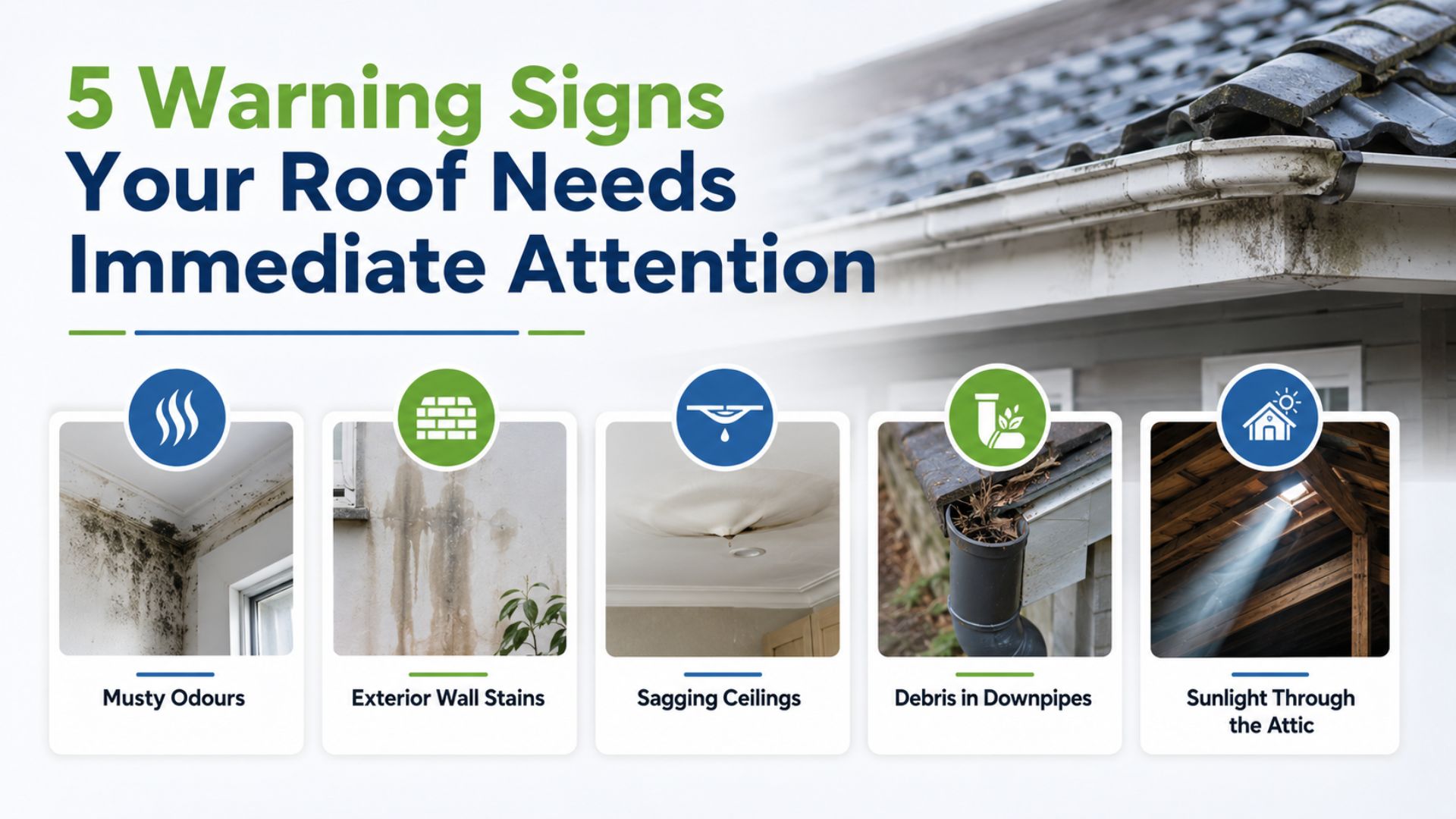
- Rust stains on your roof or gutters
- Yellow or brown marks on ceilings
- Loose ridge tiles
- Cracked roof pointing
- Bubbling paint inside the house
- Rusted flashing
- Water dripping during heavy rain
If you notice any of these signs, it’s best to organise repairs before the damage gets worse.
What To Do If You Think Your Roof Has Coastal Damage
Step 1 – Check Inside Your Home
Don’t climb onto a wet roof.
Instead, look for:
- Ceiling stains
- Damp insulation
- Musty smells
- Wet timber in the roof space
These signs often appear before you can see damage from outside.
Step 2 – Look at the Roof From the Ground
Use binoculars if needed.
Check for:
- Missing roof tiles
- Rust patches
- Sagging gutters
- Loose ridge caps
Step 3 – Arrange a Professional Roof Inspection
A roofing inspection can find problems such as:
- Hidden corrosion
- Damaged flashing
- Worn roof valleys
- Rusted fasteners
- Roof movement
Finding these issues early usually means smaller and more affordable repairs.
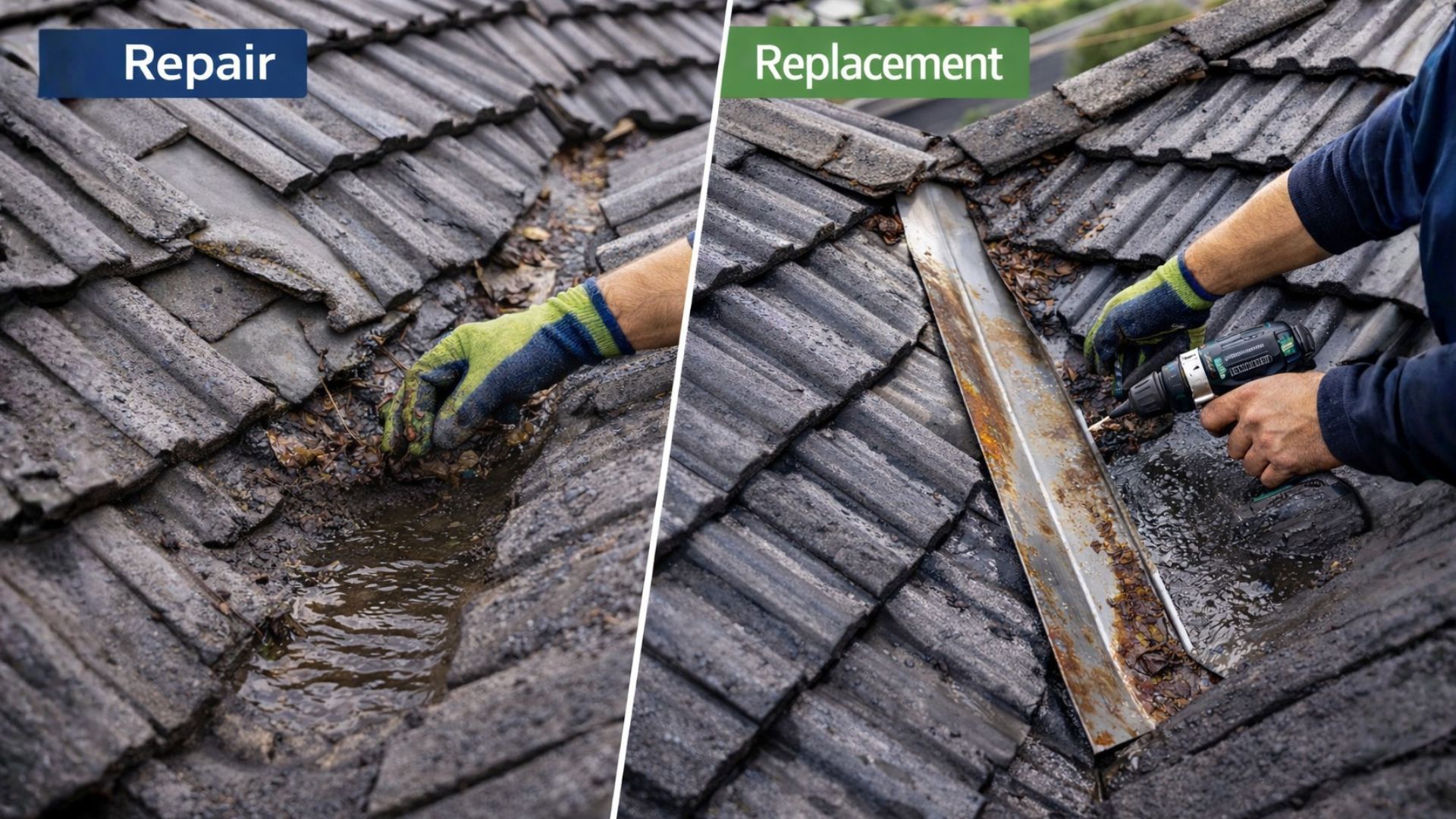
Roof Repair or Roof Replacement?
Many homeowners think rust means they need a brand-new roof.
In many cases, that’s not true.
Roof Repairs Sydney Are Usually the Best Option When:
- The damage is only in one area.
- Flashings can still be repaired.
- The roof structure is in good condition.
- Corrosion is only on the surface.
- The roof leak is small and localised.
A Roof Replacement May Be Better When:
- Corrosion has spread across large sections.
- Roof timbers have been damaged.
- The roof has already been repaired several times.
- Roofing materials have reached the end of their life.
A good roofing contractor should explain both options and help you choose the right solution.
What Does a Professional Roof Repair Include?
Depending on the condition of your roof, repairs may include:
- Replacing rusted flashing
- Roof pointing repair
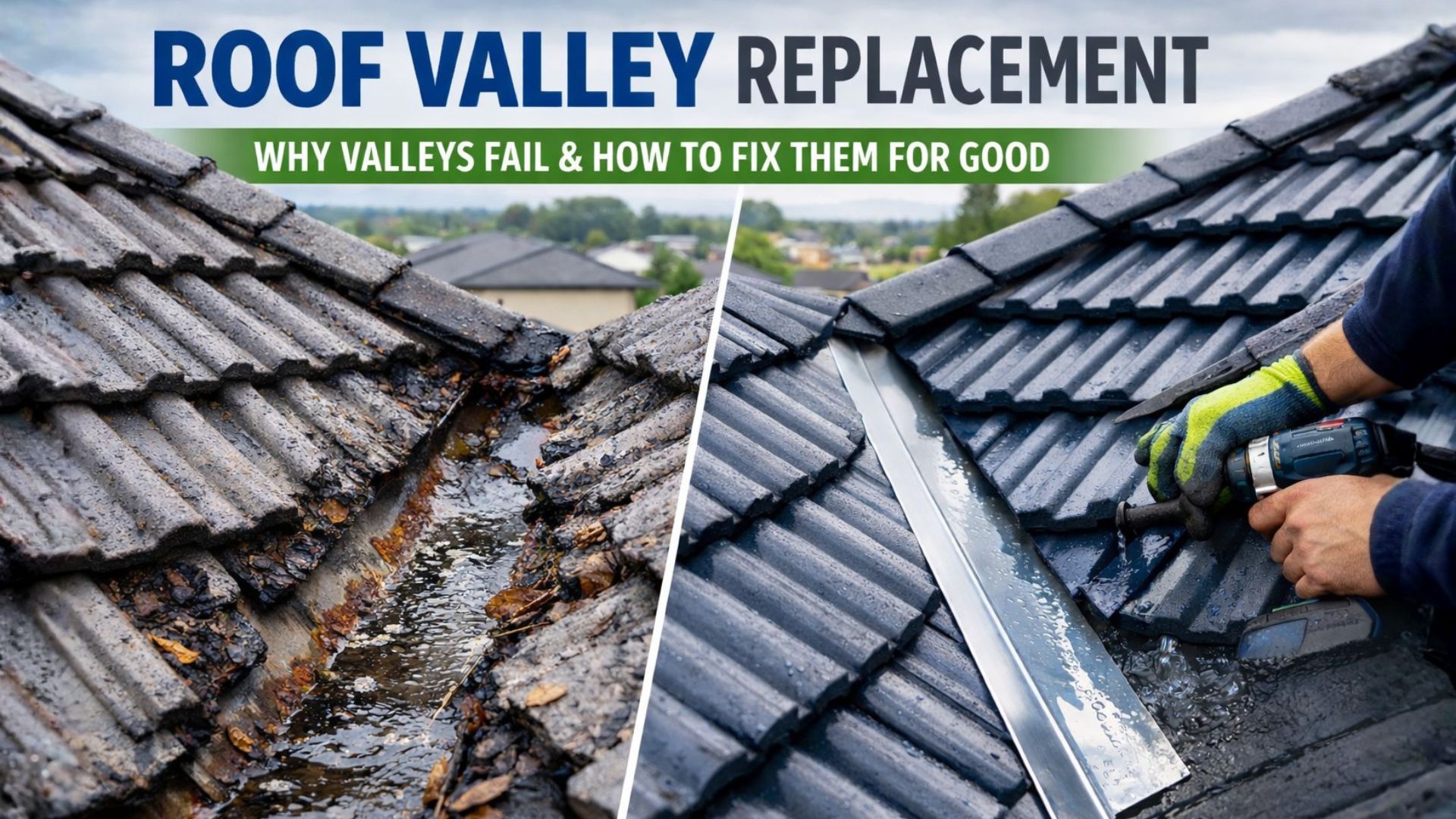
- Roof valley replacement
- Replacing broken roof tiles
- Roof Leak Repairs Sydney
- Resealing roof penetrations
- Replacing rusted fasteners
- Applying protective roof coatings
Every roof is different, so repairs should always match its age, material and condition.
What Affects Roof Repair Costs?
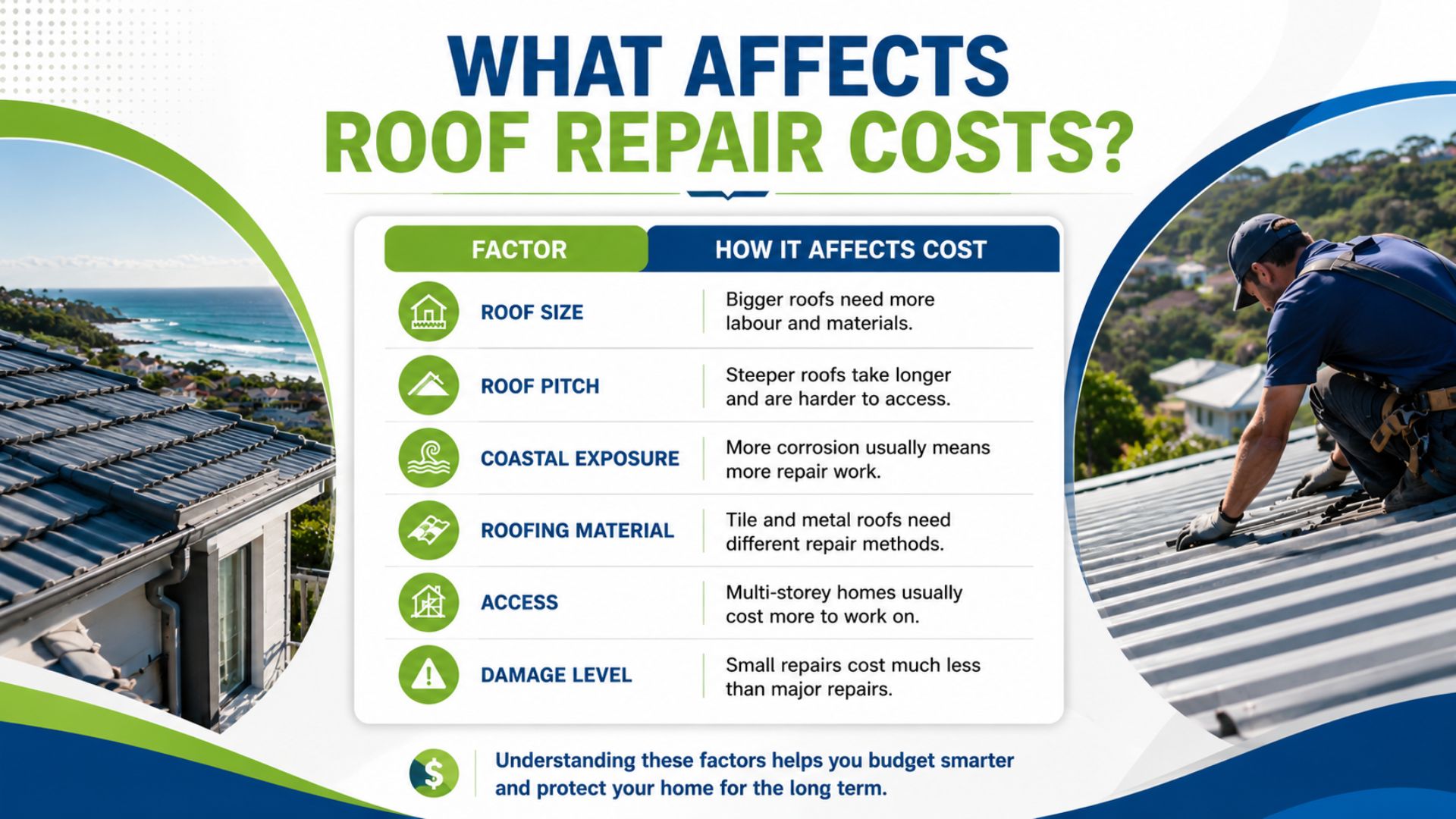
Instead of looking at average prices, it’s better to understand what affects the cost of repairs.
| Factor | How It Affects Cost |
| Roof size | Bigger roofs need more labour and materials. |
| Roof pitch | Steeper roofs take longer and are harder to access. |
| Coastal exposure | More corrosion usually means more repair work. |
| Roofing material | Tile and metal roofs need different repair methods. |
| Access | Multi-storey homes usually cost more to work on. |
| Damage level | Small repairs cost much less than major repairs. |
A reliable roofing company will explain these costs before starting work.
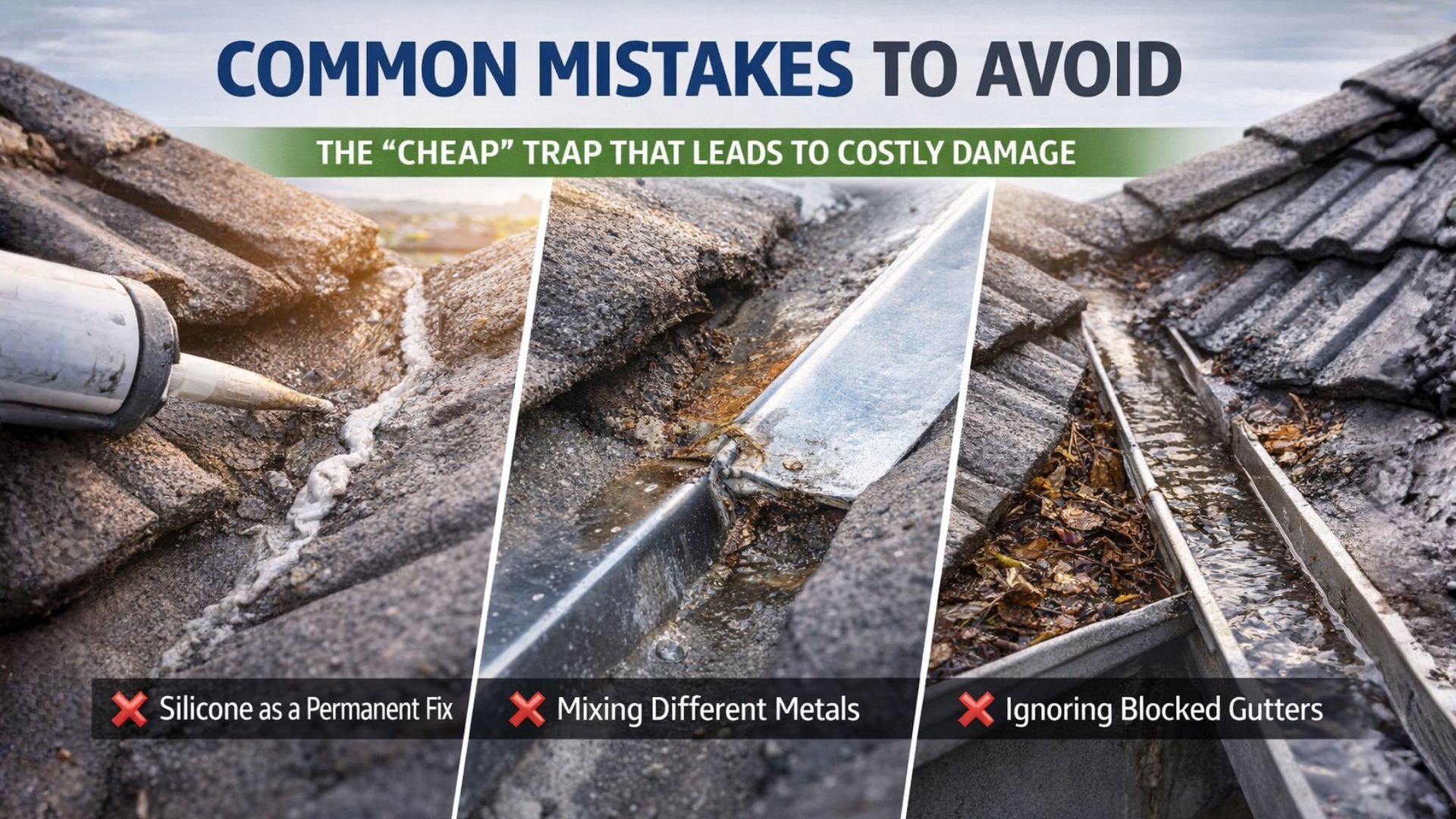
Common Mistakes Homeowners Make
Try to avoid these common mistakes:
- Ignoring small rust spots
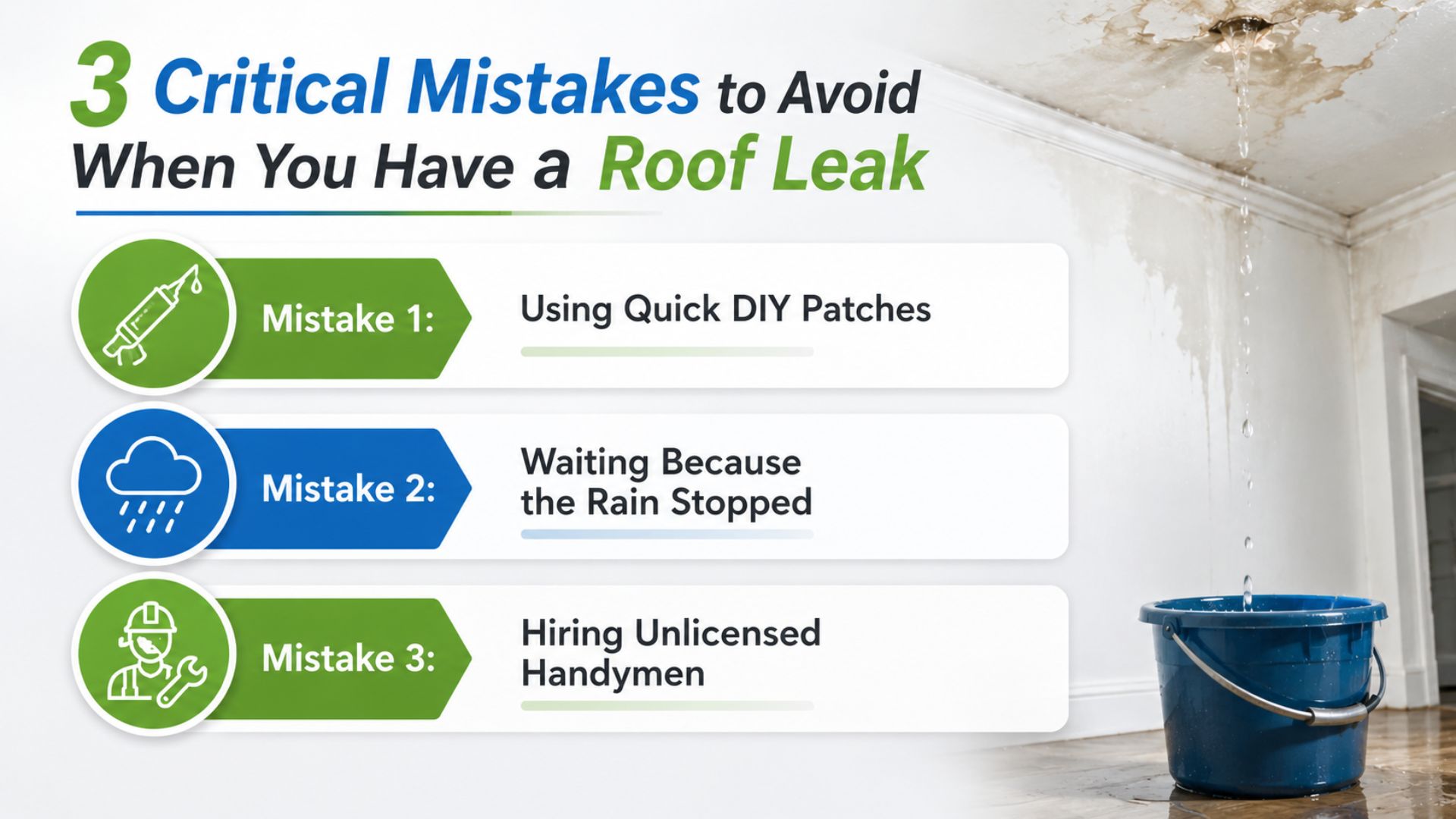
- Waiting until water comes through the ceiling
- Using silicone as a permanent repair
- Pressure washing an old roof without care
- Choosing the cheapest quote without checking experience
- Replacing roof sheets but leaving damaged flashing
Quick fixes often lead to much bigger repair bills later.
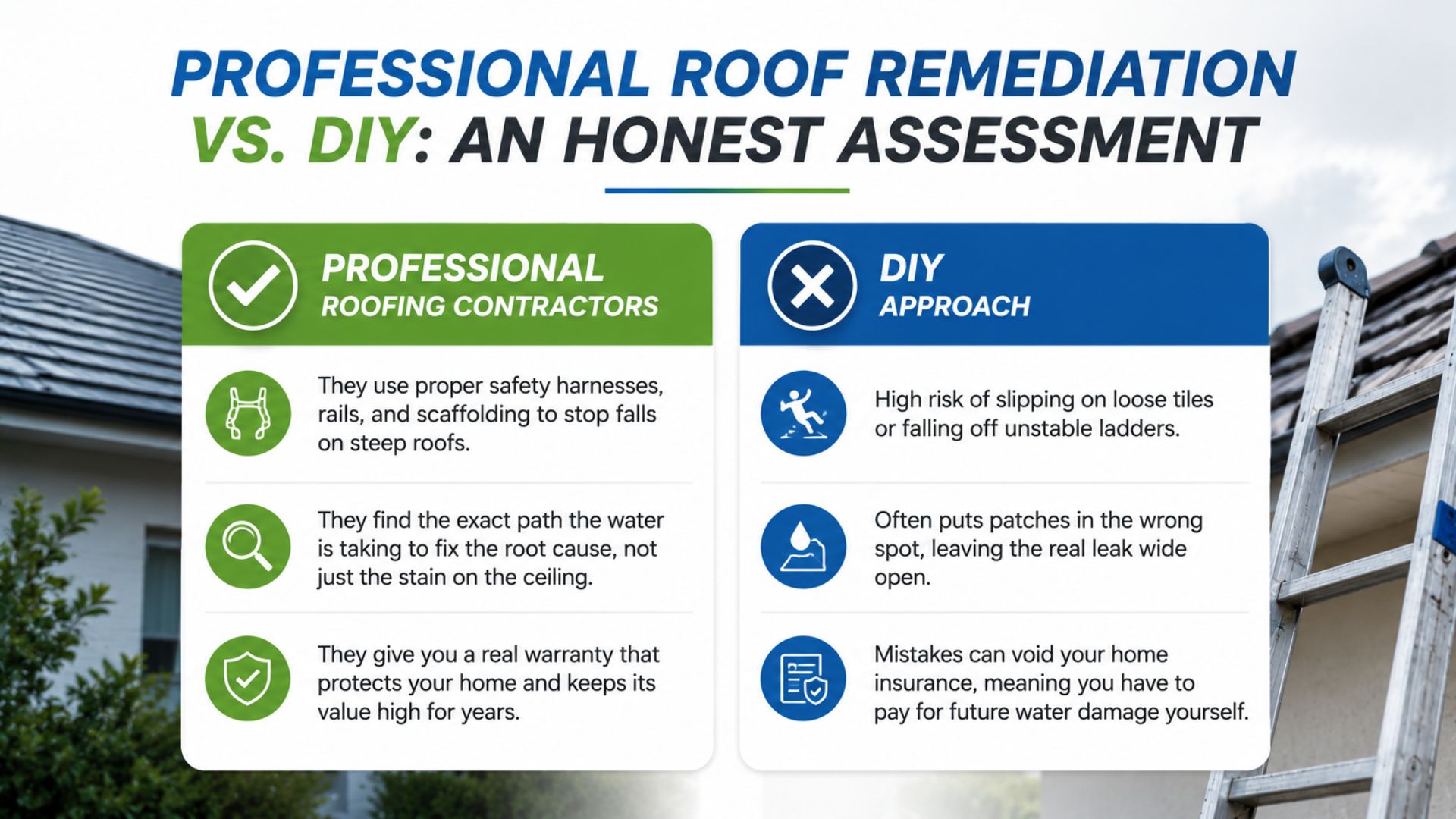
DIY or Professional Roof Repairs?
Some roof maintenance jobs are safe to do yourself.
Safe DIY Jobs
- Looking for visible damage
- Cleaning gutters safely
- Removing leaves and debris
- Keeping an eye on ceiling stains
Leave These Jobs to the Professionals
- Roof leak repairs
- Roof pointing repair
- Flashing replacement
- Roof valley replacement
- Structural roof repairs
- Metal roof corrosion treatment
Working on a roof can be dangerous, especially if it’s wet or damaged.
Why Fast Roof Repairs Save Money
A roof leak rarely stays small.
Water can travel through your roof before you notice any damage inside.
If it’s left too long, it can damage:
- Ceiling plaster
- Insulation
- Electrical wiring
- Wall frames
- Roof timbers
- Internal paint
Timely roofing repairs Sydney help protect:
- Your family
- Your home
- Your property’s value
- Your insurance cover
- Your long-term maintenance budget
How to Protect Your Roof From Coastal Corrosion
Regular maintenance is the best way to make your roof last longer.
We recommend:
- Book a roof inspection every 12 to 24 months.
- Clean your gutters before storm season.
- Replace damaged flashing as soon as possible.
- Repair cracked roof pointing early.
- Wash salt off exposed metal roofing when needed.
- Fix roof leaks before they get worse.
Regular coastal roof maintenance can greatly improve roof lifespan Sydney homeowners get from both metal and tiled roofs.
Helpful Resources for Sydney Homeowners
Want to learn more about roof maintenance and preventing leaks? These guides from The Sydney Roof Doctor can help:
- Why Your Roof Looks Fine but Is Secretly Failing This Winter
- Why Sydney Gutter Cleaning Is Your Roof’s Best Defence
- The Ultimate Guide to Roof Valley Replacement
- Leaking Skylight Repairs Sydney – The Complete Homeowner’s Guide
- Whirly Bird Installation Guide for Australian Homes
Conclusion
Living near the coast is one of the best things about Sydney, but it also means your roof has to deal with tougher conditions every day.
Salt air, strong sun, humidity and storms all wear your roof down over time. Small problems can quickly become expensive repairs if they’re ignored.
Professional roof repairs Sydney can help protect your home, extend the life of your roof and prevent costly damage.
Whether you need roof leak repairs Sydney, roof pointing repair, or general roofing repairs Sydney, fixing problems early is usually the smartest and most affordable option.
If you’re unsure about the condition of your roof, arrange a professional inspection before a small issue turns into a major repair.