You looked up. Right there, in the middle of your freshly painted lounge room ceiling, a dark brown ring was spreading like ink on paper.
Dealing with a leaking roof is never just about water. It is a stressful surprise that brings immediate worry. It breaks your peace of mind, threatens your home’s value, and makes you ask: How much is this going to cost me?
The truth that every real roofer knows is that water is tricky. It enters through a cracked tile or a rusted metal channel, runs sideways along the wooden beams inside your ceiling, and drops into your room far away from the actual hole on the outside.
Let us look at what is really happening up there and see how to fix your roof so it protects your family again.

THE 60-SECOND STORM EMERGENCY PLAN
If your ceiling is sagging or dripping right now, do not panic. Take these simple steps to stop the damage before reading the rest of the story:
- The Bucket Trick: Put a deep bucket under the drip, and drop an old towel or sponge inside. This stops the loud “plop” sound so you can think clearly.
- Save the Ceiling: If your plasterboard ceiling is bulging down like a water balloon, take a long screwdriver and poke a small hole right in the middle. Draining this trapped water stops the whole ceiling from falling down into your room.
- Stay Safe: Never climb onto a wet, slippery roof while it is raining. Let a licensed professional look for the leak when the weather is dry.
Why Roofs Fail: Real Stories from Sydney Neighborhoods
Every house has a story, and during the wild storms across New South Wales, those stories showed up on our ceilings. To understand why roof leak repairs in Sydney are so common, we have to look at the exact spots that break when the weather gets bad.
The Leafy Trap on the North Shore
Think about a beautiful old home sitting under the huge gum trees on the North Shore. The owner loved the shade, but those trees constantly drop leaves and twigs.
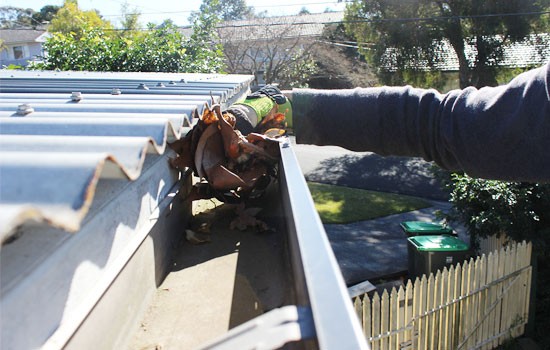
During a heavy downpour, the leaves washed into the gutters and blocked them completely like a dam. The water had nowhere to go, so it rose up, went over the back of the gutter, and poured straight into the house walls. This is why regular gutter cleaning Sydney is not just a weekend chore—it is the best way to stop water from flooding your home.
The Cracked Cement Mystery
On a classic tiled home, the round ridge tiles at the very top peak are held down by a mix of cement and sand mortar. Think of it like the mortar between bricks. Sydney’s weather is tough, super hot 40°C summer days followed by sudden, cold stormy winds. This forces the tiles to grow and shrink over and over.
Over the years, this constant movement cracks the cement. When a big storm hits, the wind pushes rainwater straight through those tiny cracks, sending water dripping down into your roof space.
The Broken Valley Flood
Your roof valleys are the metal V-shaped channels where two slopes of your roof meet. They carry more rushing water than any other part of your home.
When a valley gets old and rusty, or gets blocked with sticks, it stops working. Water backs up under the roof tiles and floods your ceiling beams, making a professional roof valley replacement the only real way to fix the problem for good.
The Warning Signs: How Your Roof Asks for Help
Your home always tries to warn you before a small leak becomes a massive, expensive headache. You just need to know what to look and listen for.
Use this easy guide to match what you see or hear with the hidden trouble happening above your head:
| What You Hear or See | What Is Actually Happening Above | The Long-Term Danger | What To Do |
| A faint ticking sound during heavy rain. | A small leak is dripping onto dry wood beams or the silver paper under your tiles. | Rotting wood framing and ruined insulation that makes your home colder. | Check it soon |
| Bubbling or peeling paint on walls or outer wooden boards. | Water has run down inside the wall, soaking the plaster and pushing the paint off. | Rotten wall frames and hidden mold that is bad for your health. | Fix it quickly |
| A musty, damp smell in wardrobes or up the hallway. | Trapped water has turned your dark roof space into a home for mold and fungi. | Bad air inside the house can cause breathing problems. | Fix it quickly |
| Flickering lights or a power switch that trips when it rains. | Rainwater is running down electrical pipes and soaking your active wires. | Serious fire hazards and danger of electrical shocks through wet plaster. | Call emergency help |
Step-by-Step: How We Make Your Home Dry Again
When you find a leak, taking clean, simple steps can save you thousands of dollars in extra repair costs.
1. Finding the Real Source
A real leak check does not just look at the wet spot on your ceiling. A tradesman climbs into the dark roof space with tools and lights to follow the dry water tracks on the wood back to the exact spot where the water gets in from the outside.
2. Clearing the Paths
Before fixing anything, the water paths must be completely clean. Cleaning out all the dirt and leaves with proper Sydney gutter cleaning ensures that future rain flows away safely from your rooms.

3. Fixing the Ridge Cements
If your top ridge tiles are loose, a team must lift them up, clean away the old broken cement, and put down fresh mortar. Then they seal it with a modern, stretchy compound during a professional roof pointing repair job. This stretchy material moves with your house, so it never cracks again.
4. Sealing Roof Openings
Anywhere something cuts through your roof is a weak spot. If an old skylight seal has dried out and cracked under the hot sun, doing proper leaking skylight repairs ensures the glass edges stay completely airtight.
Patching vs. Replacing: What is Best for You?
Many homeowners ask: Can I just patch this spot one more time, or is it time to change the whole thing? Here is the honest truth.
The Skylight Choice
If your skylight leaks because the metal flashing around it has cracked, a targeted skylight repairs Sydney job can rebuild the seal perfectly. This saves you the cost of buying a whole new window. But if the actual window frame is warped, rusted, or bent out of shape, a new one is the only way to stay dry during winter storms.
The Mortar Dilemma
If just one ridge tile moved because a tree branch hit it, a small patch might buy you some time. But if the cement along your entire roof has turned to sand, a quick patch is a waste of money. You need a full roof bedding and pointing job to lift, reset, and seal the whole top line of your house.
Why Cheap Fixes Cost You Double: The Danger of Silicone
It is very tempting to hire a cheap handyman who promises to fix your leak with a quick squeeze of silicone from a tube.
Here is why that goes wrong: normal hardware-store silicone breaks down fast under Sydney’s harsh sun. It shrinks, cracks, and forms a tiny pocket that traps water against the metal or tile. This makes rust and wood rot happen even faster where you cannot see it. A simple $400 flashing fix can easily turn into a $4,000 structural rebuilding job.
Always make sure your roofer has a valid license with NSW Fair Trading. Real safety comes from professional guarantees and using strong, trade-grade materials built for our local weather.
Time to Act: Protect Your Home
A leaking roof never fixes itself, and waiting only lets the water destroy your wooden frames, ruin your insulation, and spoil your living space.
By taking care of your roof maintenance early, you protect your home’s value and can sleep easy through every storm.
Do not wait for the next big storm cloud to show up over your house to see if your roof can handle the rain. Call the friendly, local team at The Sydney Roof Doctor today for a proper roof check. We will find the exact cause of your leak and give you a permanent, high-quality fix to keep your home warm and dry.